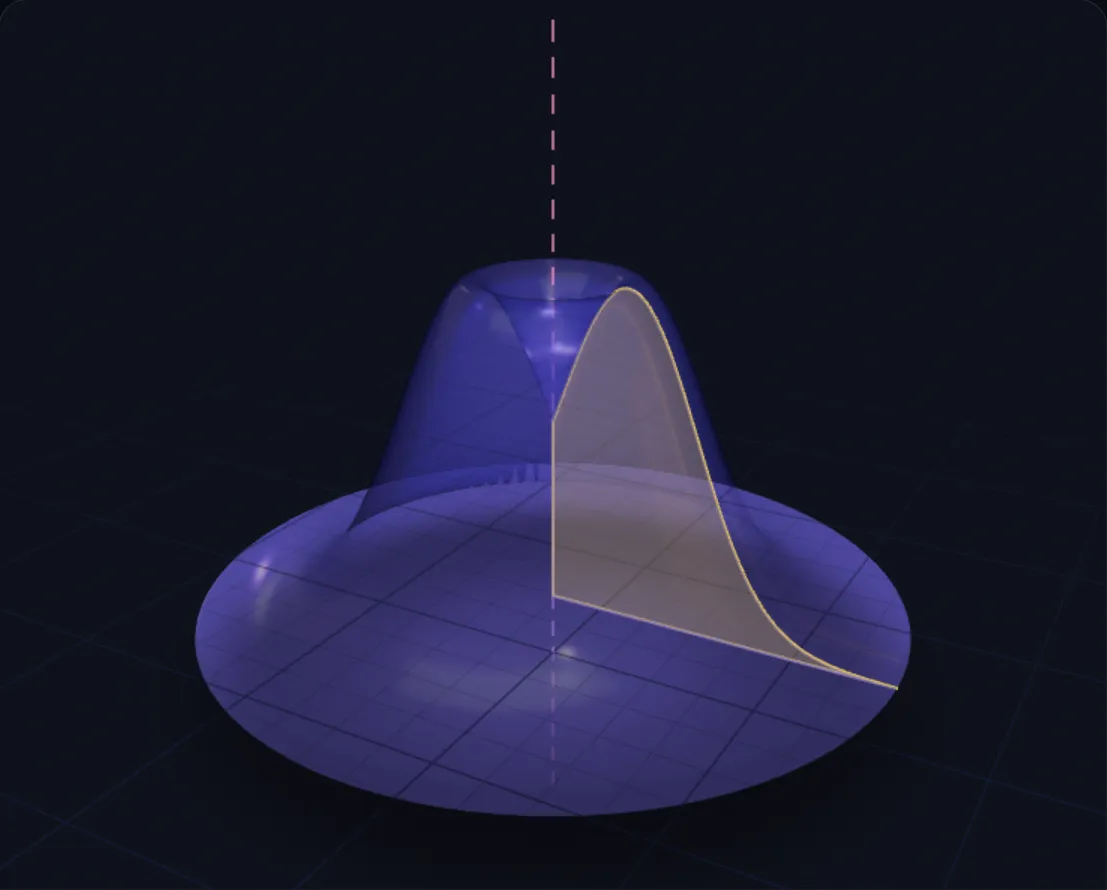
Limits, derivatives and the first integrals.
- Limits
- Derivatives
- Chain rule
- Optimization
- Integrals
Syllabus
Unit 1Review: The Functions of Calculus
The function toolkit calculus runs on: composition and inverses, trig in radians, and exponentials with their logarithms.
Unit 2Limits
What a function approaches, from either side and at infinity: the idea every derivative and integral is built on.
Unit 3Derivatives
The instantaneous rate of change as a function in its own right, and every rule for computing it: powers, products, quotients, the chain rule and implicit differentiation.
- 14The Definition of the Derivative
- 15Interpreting the Derivative
- 16Differentiation Formulas
- 17Product and Quotient Rules
- 18Derivatives of Trig Functions
- 19Derivatives of Exponential and Logarithm Functions
- 20Derivatives of Inverse Trig Functions
- 21Derivatives of Hyperbolic Functions
- 22The Chain Rule
- 23Implicit Differentiation
- 24Related Rates
- 25Higher Order Derivatives
- 26Logarithmic Differentiation
Unit 4Applications of Derivatives
Using derivatives to find peaks and valleys, read the shape of a graph, optimize, approximate, and solve equations numerically.
- 27Critical Points
- 28Minimum and Maximum Values
- 29Finding Absolute Extrema
- 30Increasing, Decreasing and the First Derivative Test
- 31Concavity and the Second Derivative Test
- 32The Mean Value Theorem
- 33Optimization
- 34More Optimization Problems
- 35L'Hôpital's Rule and Indeterminate Forms
- 36Linear Approximations
- 37Differentials
- 38Newton's Method
- 39Business Applications
Unit 5Integrals
Antiderivatives, the area under a curve, and the Fundamental Theorem of Calculus that ties them together.
Unit 6Applications of Integrals
Slice, approximate, add: average values, areas between curves, volumes of solids, and the work done by a changing force.
Calc I in Physics
All Physics labs
Position, Velocity, Acceleration
Derivatives as rates of change
Calc IPhysics3D
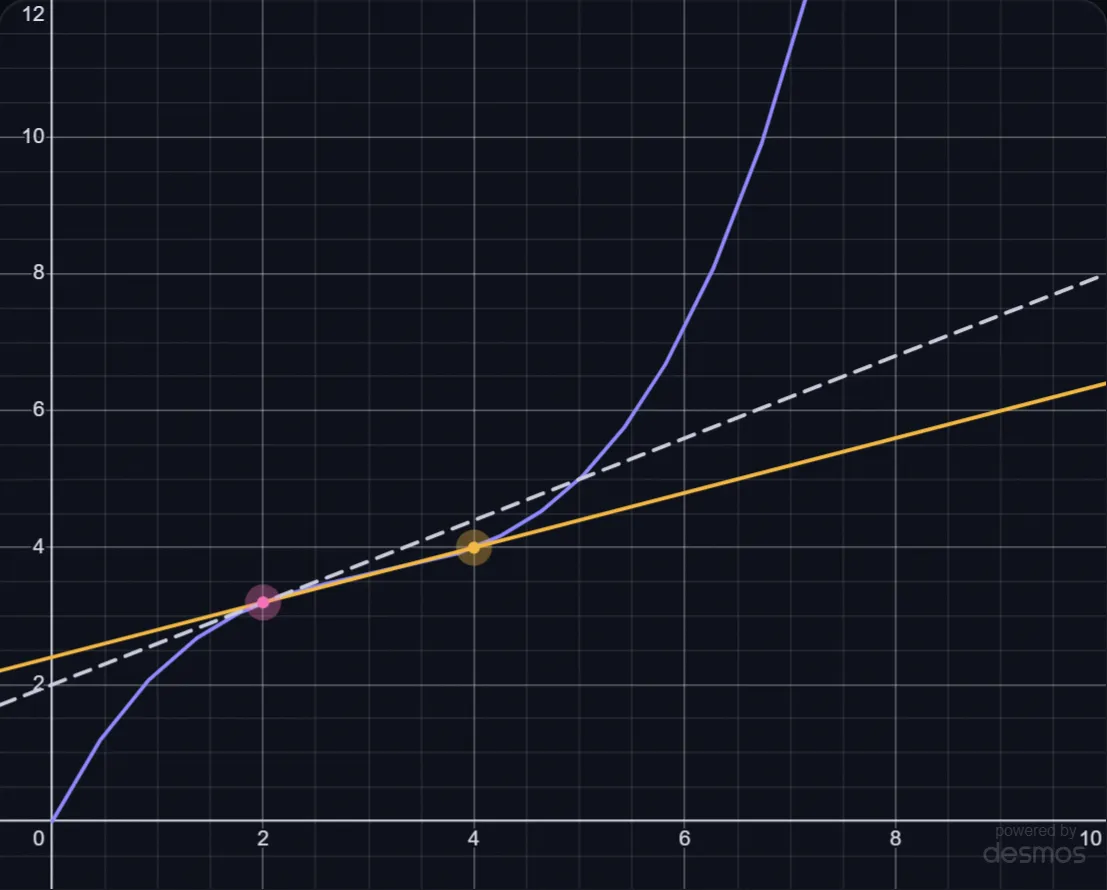
Speed from GPS: The Limit
Limits
Calc IPhysics
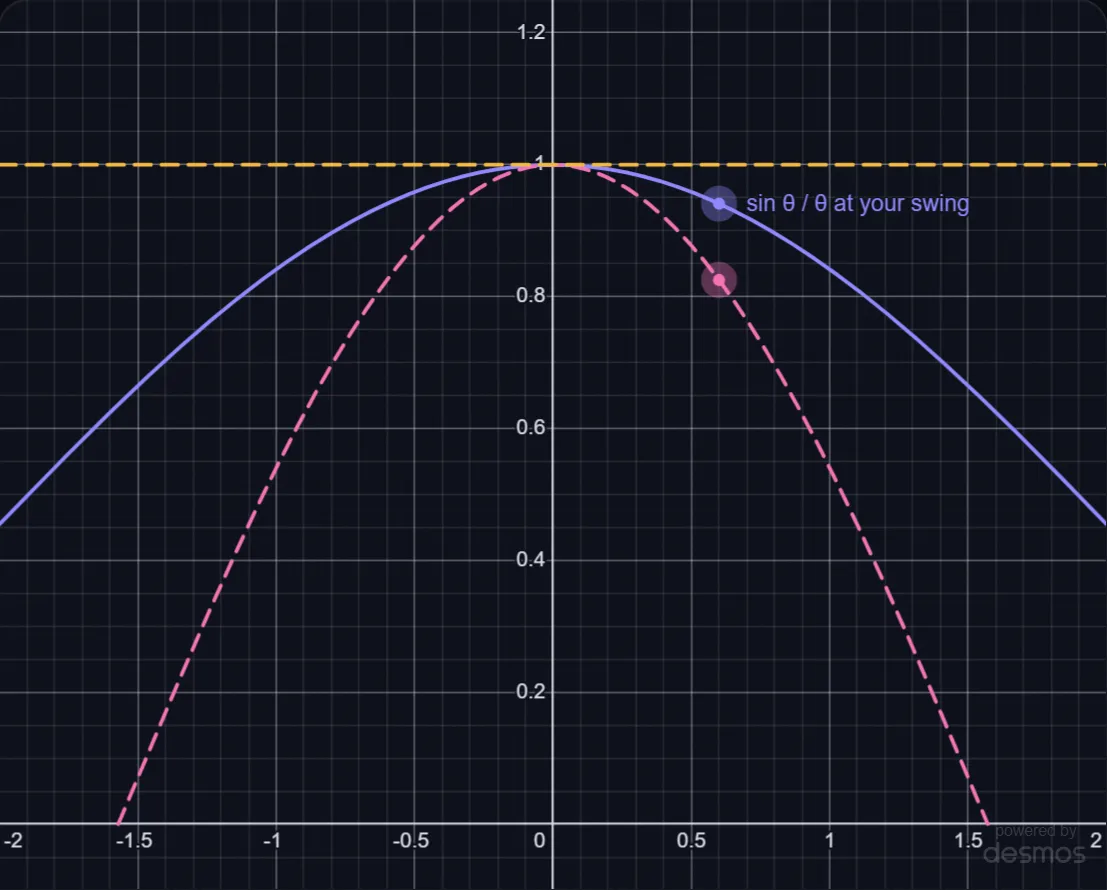
Why Small Swings Keep Time
Computing limits: the squeeze theorem
Calc IPhysics
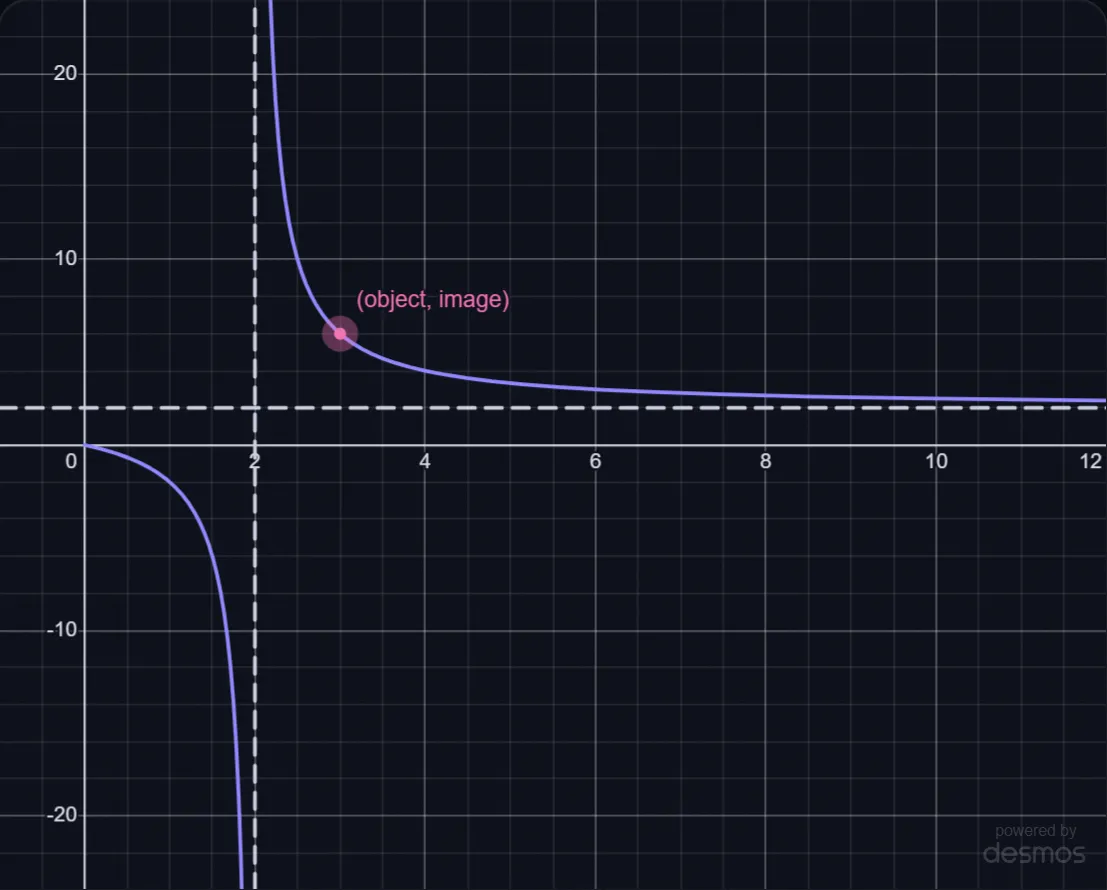
Projectors and Magnifiers
Infinite limits and vertical asymptotes
Calc IPhysics
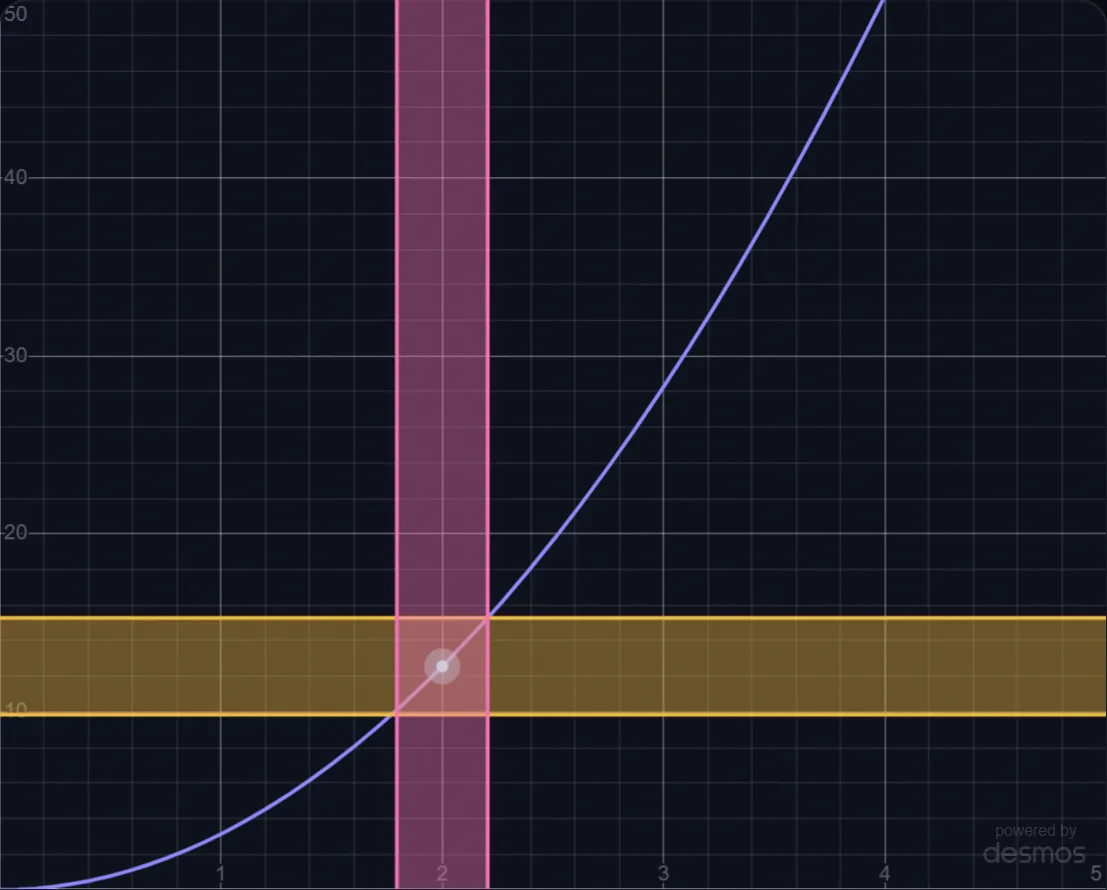
How Precise Must a Part Be?
The precise definition of a limit
Calc IPhysics
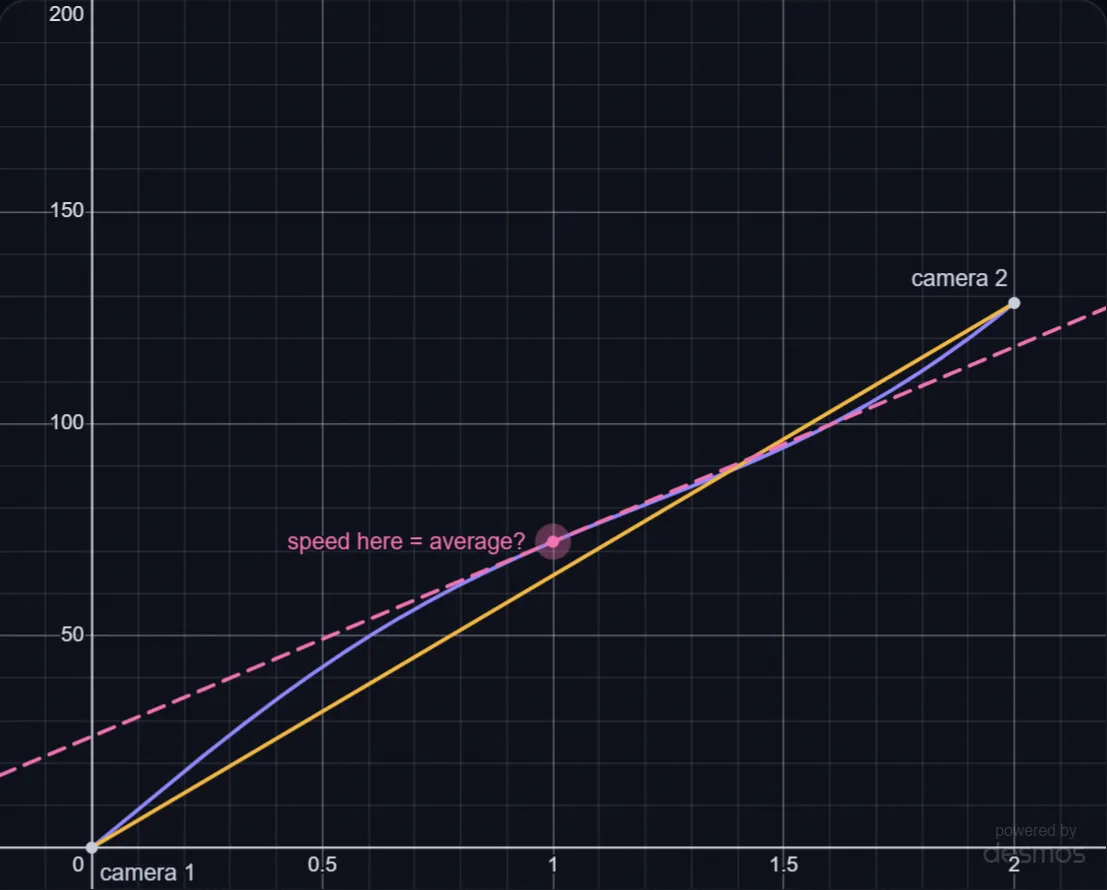
Average-Speed Cameras
The Mean Value Theorem
Calc IPhysics
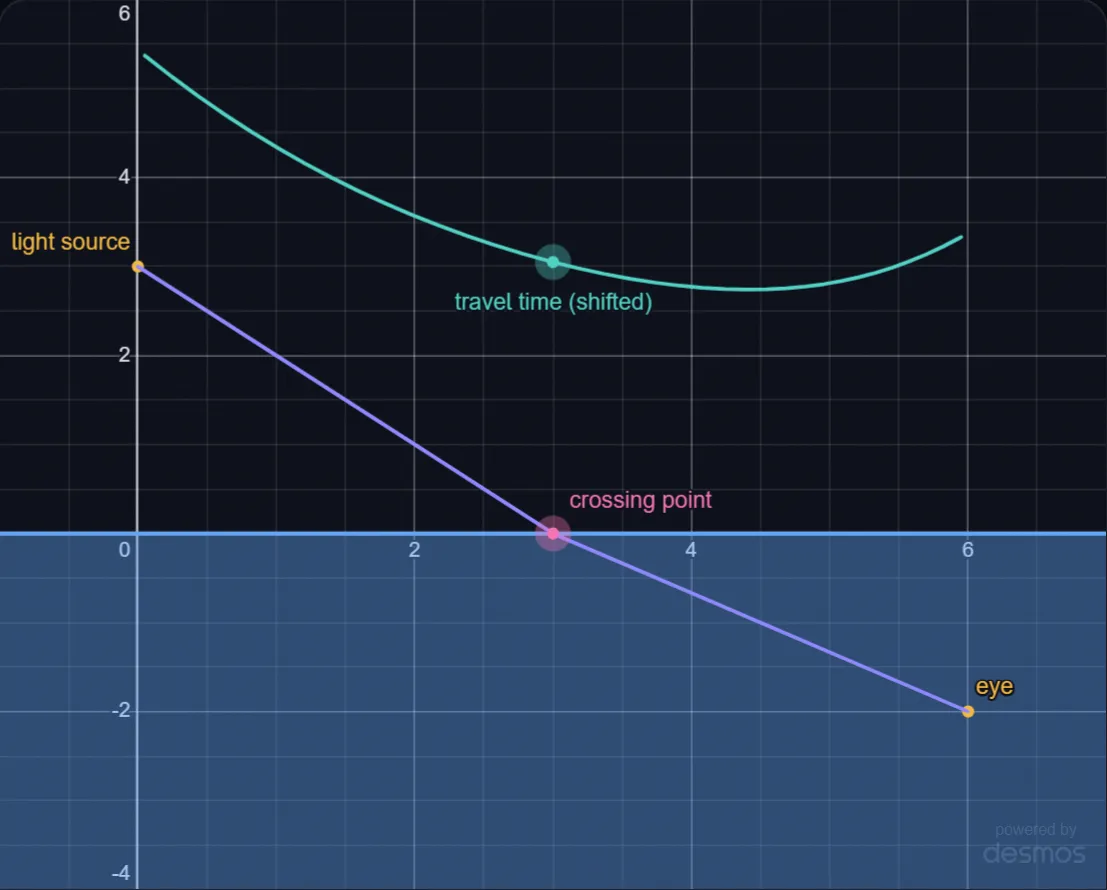
Light Takes the Fastest Path
Optimization
Calc IPhysics
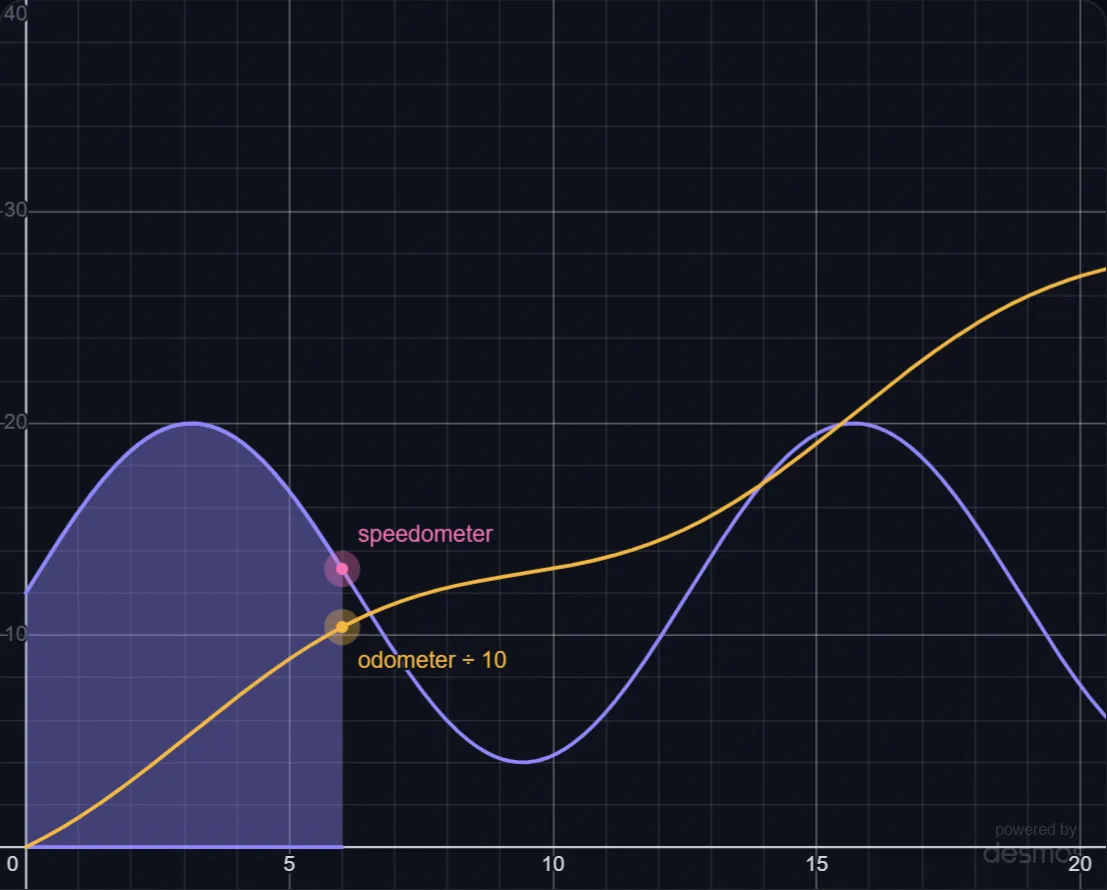
The Odometer and the Speedometer
The Fundamental Theorem of Calculus
Calc IPhysics
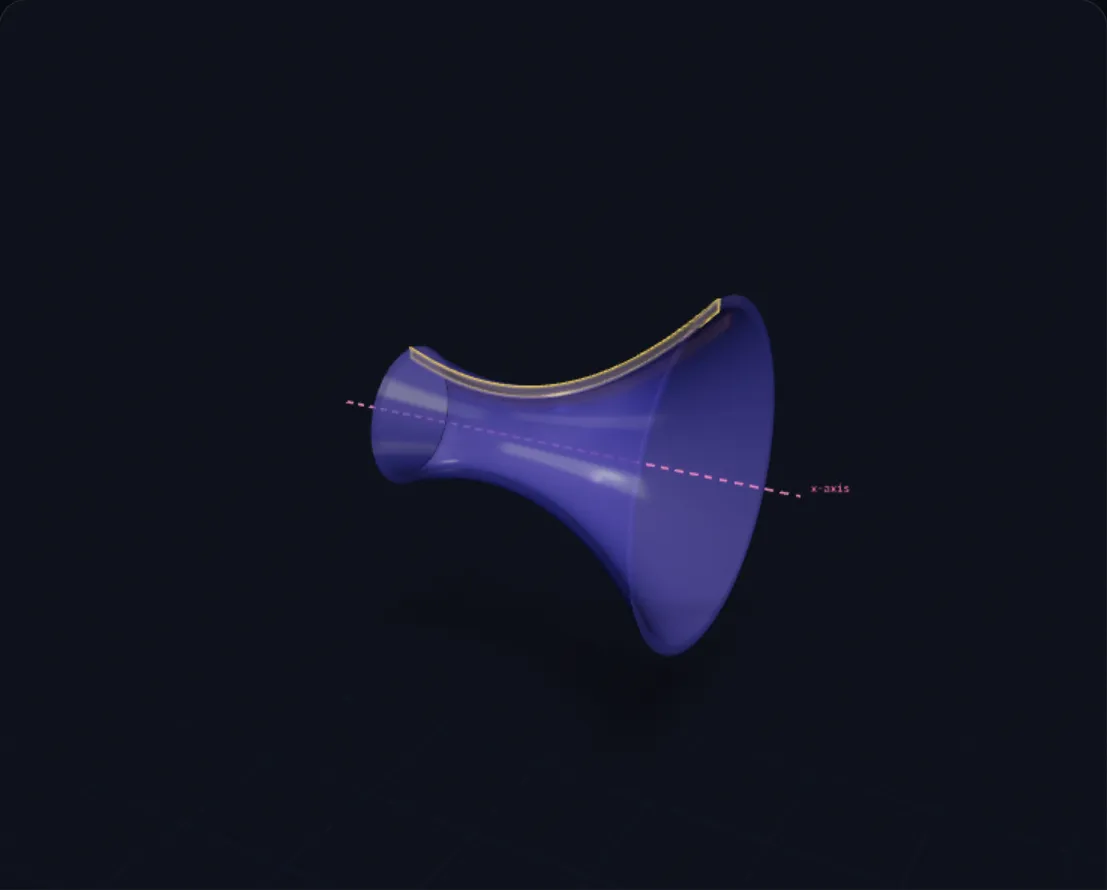
Volume of a Rocket Nozzle
Volumes by disks and washers
Calc IPhysics3D
Calc I in Computer Science
All CS labs
Calc I in Robotics
All Robotics labs
Calc I in Electrical Engineering
All EE labs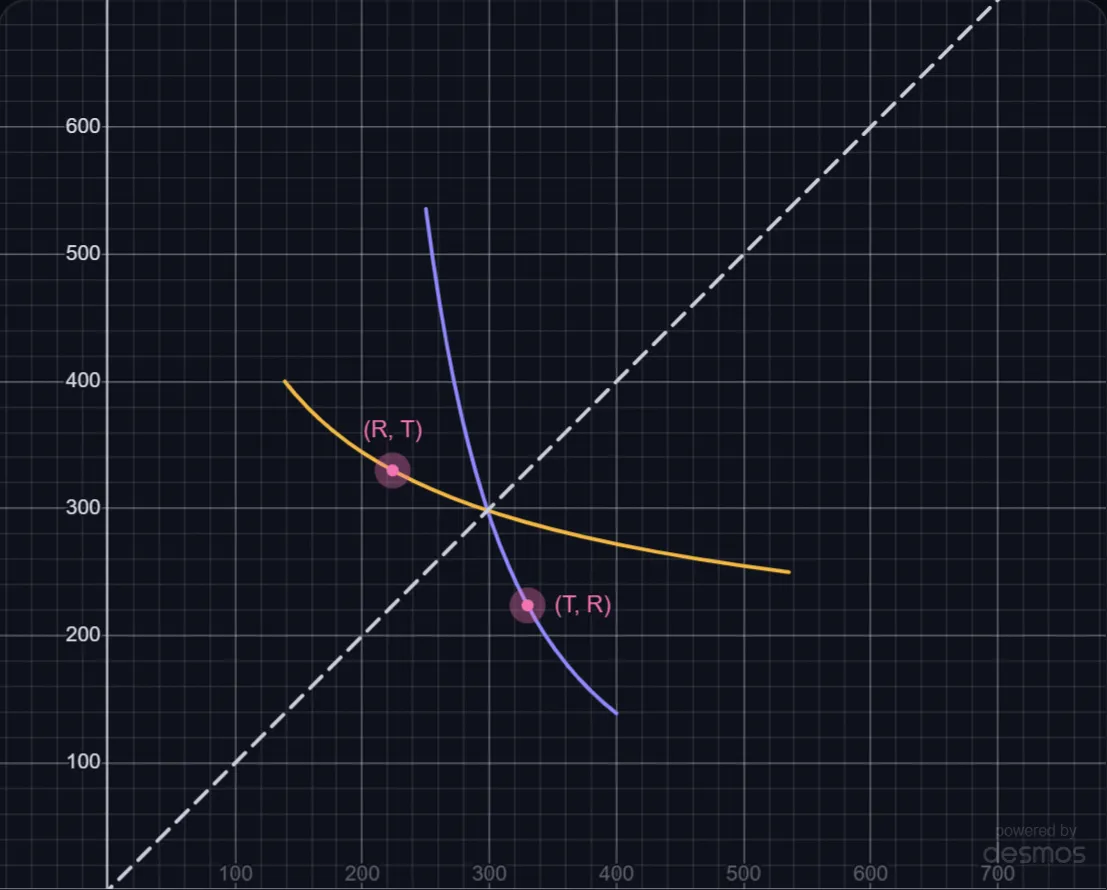
Reading a Temperature Sensor
Functions and inverse functions
Calc IEE

Flipping a Switch: One-Sided Limits
One-sided limits and continuity
Calc IEE

Why Wind Speed Matters So Much
Differentiation formulas: the power rule
Calc IEE

Power When Voltage and Current Both Change
Product rule
Calc IEE

The Shape of a Power Line
Derivatives of hyperbolic functions
Calc IEE

Getting the Most Power from a Solar Panel
Critical points and absolute extrema
Calc IEE
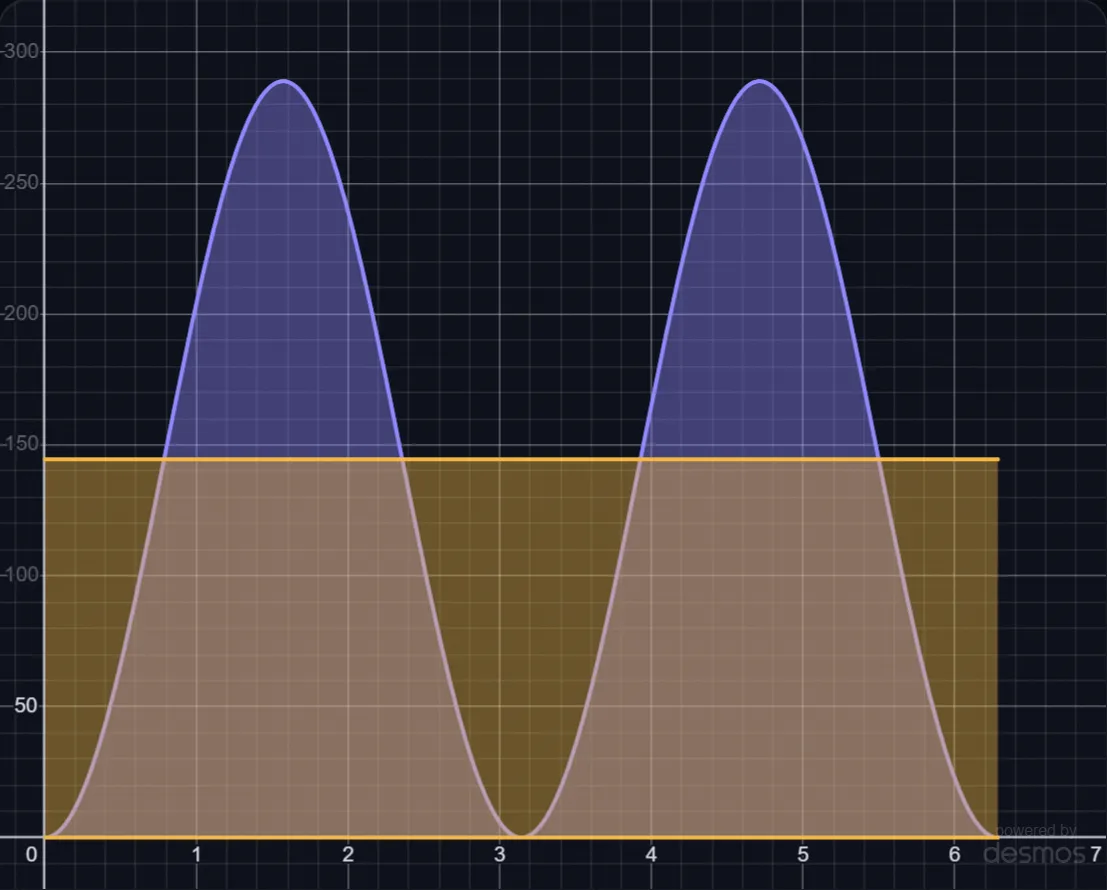
Why 120 V AC Peaks at 170 V
Average function value
Calc IEE

Your Electricity Bill Is an Integral
The definite integral and Riemann sums
Calc IEE

Energy Released by a Discharging Capacitor
The substitution rule
Calc IEE